In many buying discussions, pin count becomes the headline metric. It is easy to compare, easy to quote, and it appears objective. But in carding, pin count alone is not intent. It is only one visible parameter inside a much larger design logic.
OEM intent matters because the card is a system. Each interface is designed not only to “work,” but to work in a specific balance: fibre handling, transfer behaviour, waste control, and stability under variation. That balance is the intent.
Why Pin Count Becomes a Trap
Pin count is attractive because it looks like a performance number. Many assume more pins must mean better opening or better carding. But more is not automatically better. More is simply different.
A change that increases intensity can also increase sensitivity. It can shift waste behaviour. It can change how fibres are released and transferred. If the rest of the system is not aligned with that shift, instability follows.
Intent Is the Whole Combination, Not One Parameter
OEM designs typically reflect a chosen combination: intensity, fibre control, transfer stability, wear behaviour, and acceptable tolerance range. This combination is not expressed by one visible metric.
Two components may share the same pin count and still behave differently because intent is shaped by multiple factors working together.
Why Substitution Often “Works” at First
Many substitutions appear successful in the short term. The card runs. Output continues. Defects may not appear immediately. This creates confidence that intent does not matter.
But carding failures are often delayed. When a system loses tolerance, problems emerge later—under normal variation: humidity shifts, fibre variation, and clothing ageing.
OEM intent matters most under variation. That is where engineered balance shows its value.
A Better Way to Think About OEM Intent
OEM intent is not “brand preference.” It is design discipline. It is the difference between a system that runs acceptably on good days and a system that remains stable across seasons.
When mills treat intent as negotiable, they often end up paying elsewhere: through unstable running, repeated tuning, higher intervention frequency, and unpredictable waste behaviour.
What Experienced Engineers Optimise For
Senior engineers rarely optimise for one number. They optimise for:
- repeatability of behaviour
- tolerance to normal variation
- stability over wear life
- predictable waste behaviour
These outcomes come from intent alignment—not from headline parameters.
A Practical Example: Same Pin Count, Different Roller
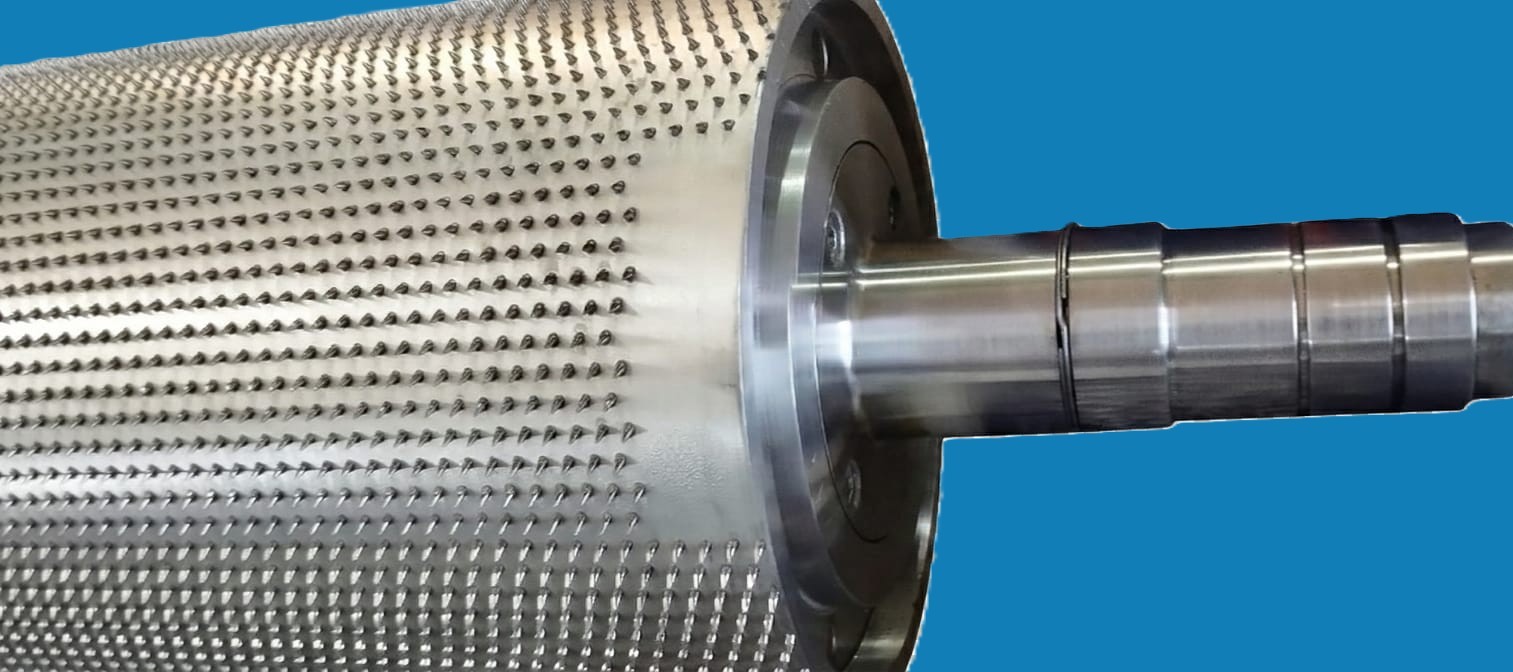
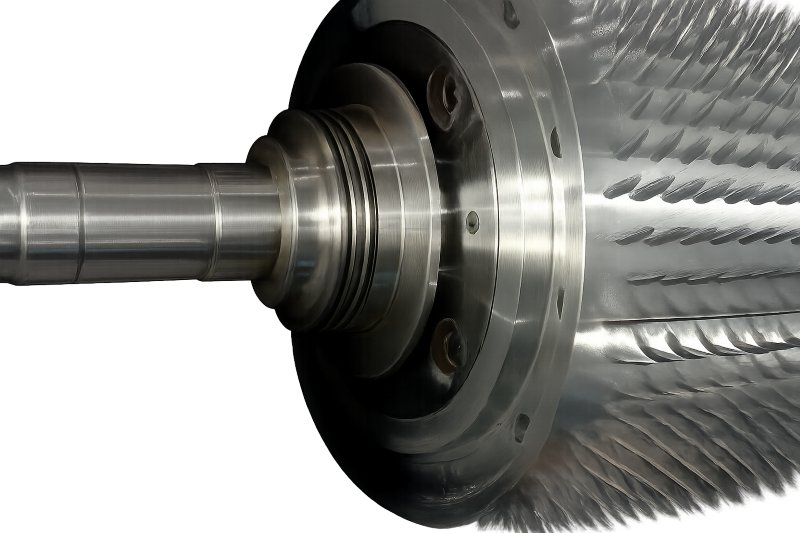
Consider two pinned licker-in rollers offered for the same card, both quoted with the same pin count. On paper they are equivalent. At the fringe they are not:
- Pin diameter: a thinner pin at the same count changes stiffness — the pin deflects more under fibre load, and the effective opening intensity drops at speed.
- Point profile: a shorter, blunter taper grips later and releases earlier; staple presentation to the cylinder changes even though "the numbers" match.
- Working angle: two degrees of difference in pin lean changes the aggression of the strike and where waste is thrown.
- Pattern: the same count arranged in a different row pitch loads the fringe unevenly — one roller combs, the other snatches.
This is why a re-pinning job specified only by "match the pin count" routinely disappoints. The full specification — diameter, profile, angle, pattern, anchorage — is what the original design encoded. When we take on pinned roller supply or re-pinning, the existing pinning is measured and documented before any commitment, precisely so that intent, not just count, is what gets reproduced.
Closing Thought
Pin count can be part of the story, but it is not the story.
In carding, the real performance is not a number on paper. It is how the system behaves over time. OEM intent matters because it encodes that behaviour into the design.