Introduction to Carding Waste Analysis
Carding waste analysis is a critical process for maintaining optimal machine performance and product quality.
Types of Carding Waste
- Licker-in waste: Contains mostly impurities and short fibers
- Flat strips: Mostly neps and seed coat fragments
- Mote knife waste: Dust and micro particles
Analysis Methodology
Regular waste analysis helps identify:
- Machine setting issues
- Raw material quality problems
- Component wear patterns
Proper analysis can reduce waste by 15-30% while improving yarn quality.
Waste Zones on the Card
Card waste is not one stream. Each zone rejects material for a different reason, and reading them separately is what makes analysis useful:
- Licker-in droppings: heavy trash, seed coat and sand rejected at the first opening stage. This zone reacts fastest to mote knife setting and licker-in condition.
- Under-casing and suction hood waste: short fibre and microdust extracted under airflow. Sensitive to knife edge condition and extraction geometry.
- Flat strips: short fibre, neps and embedded trash carried out by the flats. Volume and appearance reflect flat tops condition and flat-to-cylinder setting.
- Filter/suction waste: the fine end of the spectrum; a slow-moving background indicator rather than a daily control point.
Reading the Fractions
The percentage alone says little. The composition says a lot:
- Good fibre in licker-in droppings means release timing is wrong — knife setting, knife wear, or licker-in speed — not that the card is "cleaning well".
- Trash surviving into flat strips means the earlier zones under-rejected; the flats are doing work that belonged to the licker-in zone.
- A waste percentage that drifts with no mix change is a component-condition signal. Raw material gets blamed first; it is usually innocent.
- Width-wise unevenness in any fraction points at local geometry — a bowed knife, local wire damage, or an air leak — not at process settings.
The Mote Knife Connection
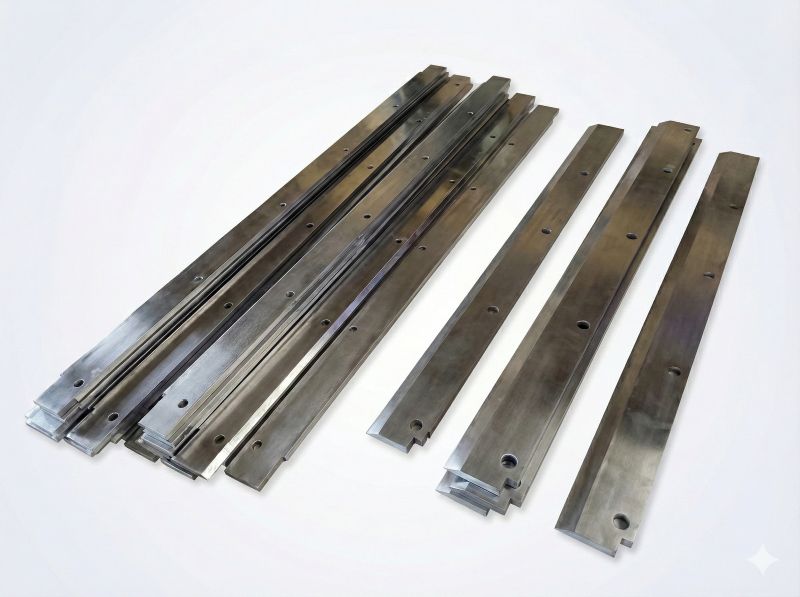
Mote knives are the valves of the waste system. Their edge condition and setting decide when material leaves and what it takes with it. A worn or badly seated knife shifts both the quantity and the composition of licker-in and suction hood waste long before the knife looks worn to the eye. Where waste analysis keeps pointing at the first zones, inspect the knives before adjusting settings — the checks are summarised on the carding mote knives page.
Licker-in Condition and Waste Behaviour
The licker-in presents fibre to the knife. Worn wire or pinning, wrong speed for the mix, or roller runout change how fibre is held at the moment of separation — so the same knife at the same setting produces different waste. Waste analysis that ignores roller condition ends up "correcting" settings around a mechanical fault.
Field Checks
- Collect each fraction separately, at the same machine state (same time after cleaning), before comparing anything.
- Spread licker-in droppings on a dark surface and pick them: estimate the spinnable-fibre share by eye — it is crude, and it is enough to catch a release-timing problem.
- Weigh flat strips per unit time and note their colour; a whitening strip means good fibre is leaving with the flats.
- Compare left, centre and right of the working width before comparing machine to machine.
- Record waste alongside nep and sliver data from the same period — waste numbers without quality numbers invite the wrong conclusion.
What to Record Before Changing Anything
Waste percentage by zone, mix and mixing lot, days since last grind and last knife check, and the machine's recent maintenance history. Half of waste analysis is having a baseline the next reading can be compared against.